Rise of Mellody Hobson from a challenging childhood to one of the most influential boardrooms in America
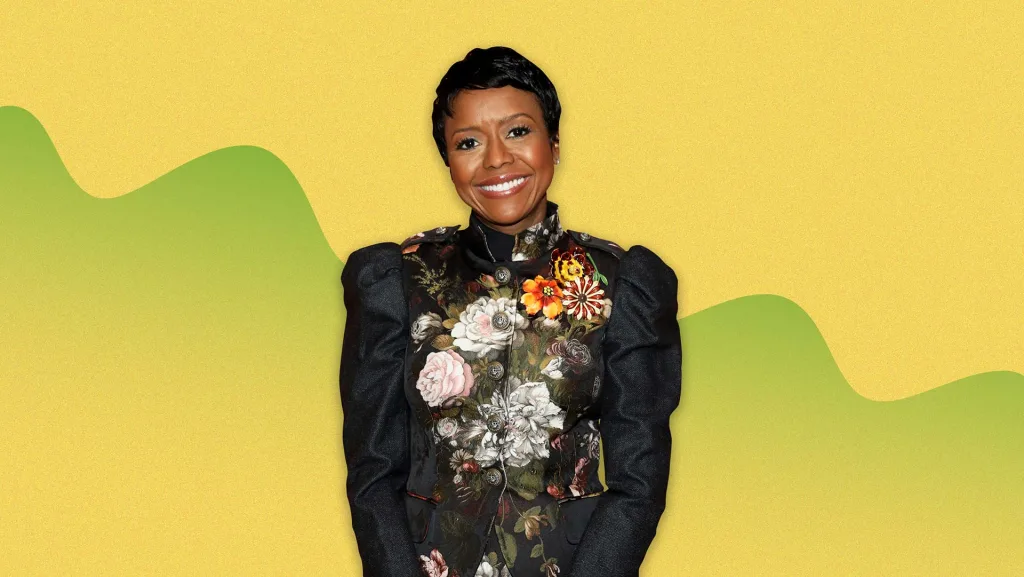
The rise of Mellody Hobson from a challenging childhood on Chicago’s South Side to one of the most influential boardrooms in corporate America is a story of preparation meeting opportunity. Known for her financial expertise, board leadership, and advocacy for diversity, Hobson built her career in spaces where few women—especially few Black women—had historically been present. Her path to success was not linear. It required navigating economic hardship, confronting racial and gender barriers, and mastering industries long dominated by entrenched networks. Through discipline, mentorship, strategic positioning, and relentless performance, she crossed those hurdles and emerged as one of the most respected voices in business.
Early Life and Formative Challenges
Born in 1969 in Chicago, Hobson was the youngest of six children raised by a single mother. Her mother worked multiple jobs to support the family, yet financial insecurity remained a constant reality. Hobson has spoken candidly about periods when the electricity in their home was shut off. These experiences shaped her lifelong relationship with money and risk. Rather than discouraging her, scarcity sharpened her awareness of financial systems and the power of economic literacy.
Growing up in a segregated and economically disadvantaged
neighborhood presented its own hurdles. Access to elite educational and professional networks was limited. However, Hobson’s academic talent opened doors. She earned admission to Princeton University, an environment vastly different from her upbringing. At Princeton University, she studied public policy and immersed herself in student leadership.
Yet even at Princeton, Hobson encountered feelings of isolation. As one of relatively few Black students in certain academic and social spaces, she navigated subtle and overt reminders that she was an outsider. Instead of retreating, she leaned into the discomfort. She built relationships with professors and mentors who recognized her intellect and work ethic. College became both a proving ground and a bridge into elite professional circles.
Entering the Financial World
Upon graduating in 1991, Hobson joined Ariel Investments, a Chicago-based money management firm founded by John W. Rogers Jr.. Ariel was—and remains—one of the largest Black-owned asset management firms in the United States. The firm’s focus on long-term, value-oriented investing aligned with Hobson’s disciplined mindset.
The financial industry in the early 1990s was overwhelmingly male and predominantly white. As a young Black woman entering asset management, Hobson faced skepticism. She had to establish credibility in rooms where clients and peers might not expect someone with her background to be advising on multimillion-dollar portfolios.
Hobson crossed this hurdle through preparation and clarity. She mastered financial fundamentals, learned to communicate complex investment strategies in accessible language, and developed a reputation for directness and reliability. Over time, she rose through the ranks, eventually becoming president and co-CEO of Ariel Investments.
Her ascent was not based on charisma alone but on measurable performance. By helping grow assets under management and strengthening client relationships, she demonstrated that excellence transcends stereotypes. In a field where trust is currency, Hobson earned it repeatedly.
Building Influence Beyond Finance
Hobson’s leadership expanded beyond her firm. She became a sought-after voice on financial literacy, frequently appearing in national media to explain investing and economic trends. Her ability to demystify Wall Street for everyday audiences set her apart.
Her board appointments further elevated her profile. She joined the board of Starbucks and later became its chair, making her one of the few Black women to lead a Fortune 500 board. She also served on the board of JPMorgan Chase, one of the world’s largest banks.
Board leadership introduced a new layer of hurdles. Corporate governance at that level involves navigating shareholder expectations, regulatory scrutiny, and executive accountability. As chair of Starbucks, Hobson guided the company through complex periods that included leadership transitions and social debates about corporate responsibility.
Serving on high-profile boards often places leaders under intense public scrutiny. Hobson handled these pressures by focusing on transparency, stakeholder engagement, and long-term strategy. Her leadership style blends calm authority with a willingness to ask difficult questions—an approach that has strengthened her credibility across industries.
Confronting Bias and Advocating for Inclusion
Throughout her career, Hobson has been candid about confronting racial and gender bias. In interviews and speeches, she has described being mistaken for administrative staff at corporate events or facing assumptions that she was less experienced than her male peers. These moments reflect systemic issues rather than isolated incidents.
Instead of internalizing such slights, Hobson transformed them into fuel for advocacy. She became a prominent champion of diversity, equity, and inclusion in corporate America. Her TED Talk on color blindness versus color bravery challenged leaders to acknowledge race rather than pretend it does not exist.
Advocating for inclusion while maintaining executive responsibilities can be a delicate balance. Some leaders fear that speaking openly about race may alienate stakeholders. Hobson, however, leveraged her position to encourage honest dialogue. She argued that diversity is not merely a moral imperative but a business necessity, enhancing decision-making and innovation.
Her influence extended into media and entertainment when she joined the board of The Walt Disney Company. As chair of Disney’s board, she played a key role during a period of strategic evolution for the company, including leadership transitions and shifting consumer landscapes. Guiding one of the world’s most recognizable brands required diplomatic skill and strategic foresight.
Personal Life in the Public Eye
Hobson’s marriage to filmmaker George Lucas brought additional public attention. While her professional accomplishments stand independently, public fascination with high-profile partnerships can create distractions. Balancing privacy with visibility became another subtle hurdle.
Hobson maintained her focus by keeping her identity anchored in her professional expertise rather than celebrity culture. She continued prioritizing her role at Ariel and her board commitments, demonstrating that personal milestones need not overshadow career purpose.
Leadership During Crisis
The global financial crisis of 2008 and the COVID-19 pandemic each presented formidable tests for financial leaders. Market volatility, investor anxiety, and economic uncertainty demanded steady guidance. As an executive in asset management and a corporate board leader, Hobson faced decisions that affected employees, shareholders, and communities.
Her approach during crises emphasized long-term thinking. Ariel Investments’ value philosophy encouraged patience rather than reactionary moves. On corporate boards, Hobson advocated for resilience planning and responsible governance. Crossing these hurdles required not just technical skill but emotional intelligence—the capacity to remain composed when markets faltered and headlines alarmed.
Mentorship and Legacy Building
A defining aspect of Hobson’s development has been mentorship—both receiving and providing it. Early in her career, she benefited from leaders who invested in her growth. Later, she paid that forward by mentoring young professionals, particularly women and people of color entering finance.
Mentorship served as a bridge across structural gaps. In industries where informal networks often determine opportunity, Hobson recognized the importance of sponsorship. By opening doors for others, she contributed to systemic change.
Her emphasis on financial literacy also reflects a broader mission. Drawing from her childhood experiences, she advocates for teaching children about money early. She understands that knowledge can be transformative, breaking cycles of economic vulnerability.
Crossing the Hurdles
The hurdles Hobson endured—economic hardship, racial bias, gender stereotypes, and high-stakes leadership challenges—were formidable. She crossed them through several consistent strategies:
1. Preparation and Expertise: Mastering financial fundamentals gave her confidence and authority.
2. Strategic Positioning: Aligning with a respected firm like Ariel Investments provided both opportunity and mission alignment.
3. Authentic Advocacy: Speaking openly about diversity strengthened rather than weakened her leadership brand.
4. Resilience: Early experiences with financial instability fostered emotional toughness.
5. Relationship Building: Cultivating mentors and allies expanded her influence.
Each stage of her growth built upon the previous one. Rather than seeking rapid recognition, Hobson prioritized sustained excellence.
Conclusion
Mellody Hobson’s path to success reflects the power of intellect, discipline, and principled leadership. From navigating childhood poverty to leading boardrooms at some of the world’s largest corporations, she has continually crossed barriers with composure and clarity. Her journey underscores that representation at the highest levels of business is both possible and transformative.
By combining financial acumen with advocacy for inclusion, Hobson has reshaped perceptions of who belongs in corporate leadership. Her growth and development illuminate a broader truth: that enduring success is not simply about reaching the top, but about widening the path for those who follow.
 5152
5152