The Unusual Move CertificationPoint Seems To Be Embarking On: Creating A “Career Economy” Not Just A Learning Platform!
One unusual strategic move CertificationPoint appears to be making—something most edtech startups avoid—is trying to build a complete economic ecosystem around learning and work, not just a learning platform.
This is very different from the standard edtech model used by companies like Coursera or Udemy.
The unusual move: Creating a “career economy” instead of just courses
Most education platforms only monetize one step of the learning process.
Typical edtech model:
1. Sell a course
2. Issue a certificate
3. End the relationship
CertificationPoint appears to be trying to monetize every step of the career journey:
Stage Potential revenue stream
Learning Course / certification fees
Skill validation Credential exams
Work experience Project marketplace fees
Hiring Employer recruiting tools
Networking Premium social features
That turns the platform into something closer to a career operating system rather than an education website.
Why this approach is unusual in edtech
Most edtech companies deliberately avoid the employment side because it’s operationally complex.
For example:
• Coursera focuses on courses and certificates
• LinkedIn focuses on networking and recruiting
• Upwork focuses on freelance marketplaces
CertificationPoint appears to be attempting all three simultaneously.
That’s rare because it requires building three different network effects at once:
• learners
• employers
• project marketplaces
Why it could become a powerful advantage
If this model works, it creates very strong user lock-in.
Instead of leaving the platform after learning a skill, users might stay for years because it provides:
• training
• work opportunities
• professional networking
• career advancement
That dramatically increases lifetime user value.
Example lifecycle:
1. Student joins to learn a skill
2. Completes certification
3. Works on real projects
4. Builds a portfolio
5. Gets hired
6. Returns as an employer or mentor
This creates a closed career loop inside the platform.
The “network flywheel” effect
Once enough people join, the system can start reinforcing itself:
More learners ? more talent available ? more employers join ? more projects ? more learners attracted
Platforms like LinkedIn grew extremely powerful because of this type of network effect.
CertificationPoint is trying to trigger something similar—but earlier in the career pipeline.
The risk of this strategy
The downside is that ecosystem strategies are extremely hard to execute.
Instead of building one product, CertificationPoint must build several:
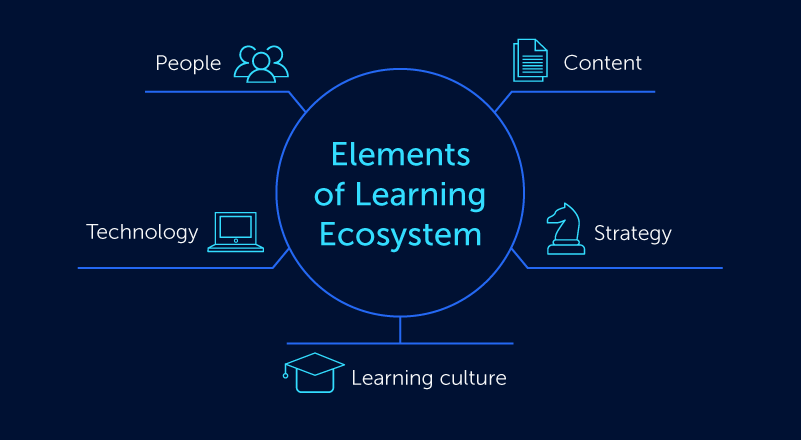
• an education platform
• a certification authority
• a freelance marketplace
• a professional network
Each of these could be a standalone company.
That complexity is why most startups focus on only one layer.
Why investors might still find it attractive
Despite the risk, investors often like platforms that attempt to control an entire value chain.
If CertificationPoint succeeds, it wouldn’t just compete with:
• Coursera
• LinkedIn
• Upwork
It could become a pipeline feeding talent into all three ecosystems.
That’s potentially a much bigger opportunity than just selling online courses.
In simple terms:
CertificationPoint isn’t trying to be another online course provider.
It appears to be trying to build a platform where people learn, prove skills, gain experience, and get hired—all in the same place.
If that ecosystem reaches critical mass, it becomes extremely difficult for competitors to displace.
 272407