NERC ‘Actively Monitoring the Grid’ Following Iran-Linked Cyber Threat: A Critical Moment for U.S. Energy Security
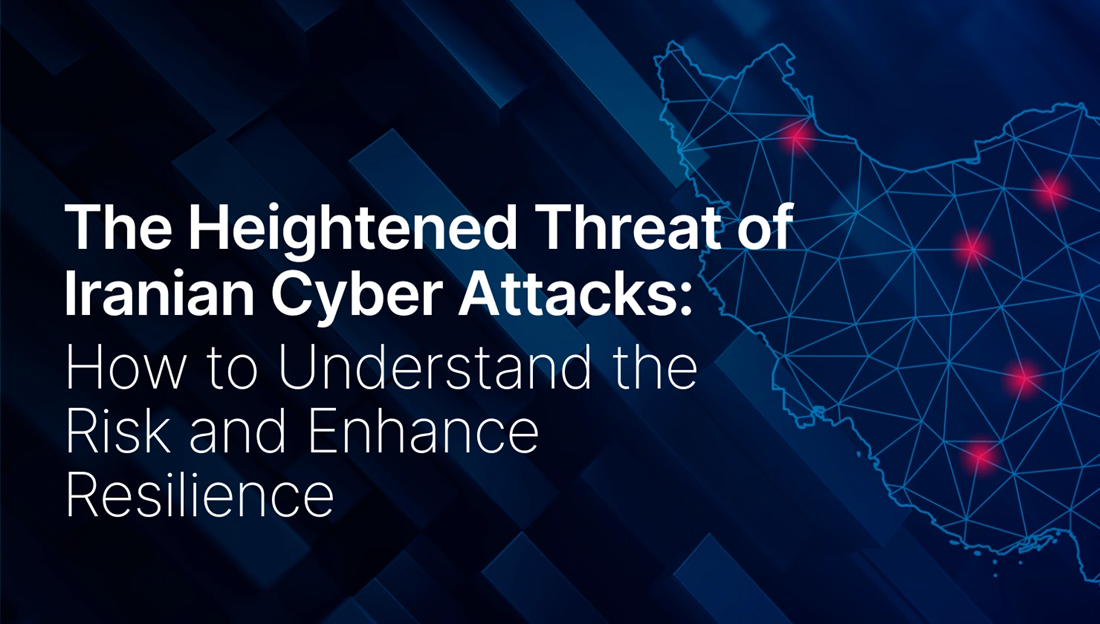
In April 2026, escalating geopolitical tensions between the United States and Iran triggered a wave of cybersecurity alerts across critical infrastructure sectors. Among the most significant developments was the response from the North American Electric Reliability Corporation (NERC), which confirmed it is “actively monitoring the grid” amid credible warnings of Iran-linked cyber activity targeting U.S. infrastructure.
This heightened alert reflects a growing convergence between cyber warfare and energy security. With Iran-affiliated threat actors increasingly focusing on operational technology (OT) systems—especially those tied to electricity generation and distribution—the reliability of the North American power grid has become a focal point of national concern.
Escalating Threat Landscape: Iran-Linked Cyber Activity Intensifies
• Reuters
• TechRadar
• WIRED
• The Guardian
Recent joint advisories from U.S. agencies—including the FBI, NSA, CISA, and the Department of Energy—warn that Iranian-affiliated hackers have significantly escalated their targeting of American critical infrastructure.
These attacks are not hypothetical; they have already resulted in operational disruptions and financial losses in some cases.
The campaigns focus heavily on industrial control systems, particularly:
• Programmable Logic Controllers (PLCs)
• Supervisory Control and Data Acquisition (SCADA) systems
• Human-machine interfaces (HMIs)
These technologies are foundational to the operation of power plants, substations, and grid management systems. By compromising them, attackers can move beyond data theft and into the realm of physical disruption—potentially affecting electricity delivery itself.
Security officials have linked some of this activity to groups associated with Iran’s Islamic Revolutionary Guard Corps (IRGC), including actors previously known for targeting infrastructure in both the U.S. and allied countries.
NERC’s Role and Response
As the designated Electric Reliability Organization for North America, NERC is responsible for ensuring the reliability and security of the bulk power system. It develops and enforces mandatory cybersecurity standards—known as Critical Infrastructure Protection (CIP) standards—under the oversight of the Federal Energy Regulatory Commission.
In response to the emerging threat, NERC has taken a proactive stance:
• Active monitoring of grid conditions and cyber threats
• Coordination with government agencies and utilities
• Information sharing through its Electricity Information Sharing and Analysis Center (E-ISAC)
• Reinforcement of existing cybersecurity protocols
This “active monitoring” posture is not merely symbolic. It reflects a real-time effort to detect anomalies, assess risks, and ensure rapid response capabilities across the interconnected grid network.
NERC has long warned that cybersecurity threats are among the most significant risks facing the grid. Even before the current crisis, the organization anticipated “escalating cybersecurity threats” as a defining challenge for 2026.
Why the Power Grid Is a Prime Target
Strategic Importance
The electric grid is often described as the backbone of modern society. It powers:
• Hospitals and healthcare systems
• Financial institutions
• Transportation networks
• Water and wastewater treatment facilities
A successful attack on the grid could have cascading effects across multiple sectors, amplifying its impact far beyond the energy industry.
Increasing Digitalization
Modern grid infrastructure relies heavily on digital systems for monitoring and control. While this enhances efficiency, it also introduces new vulnerabilities:
• Internet-connected devices
• Remote access capabilities
• Complex software dependencies
Iranian threat actors have demonstrated a clear focus on exploiting these vulnerabilities, particularly in systems that are improperly secured or exposed to the internet.
Asymmetric Warfare Strategy
Iran’s cyber strategy is often characterized by its asymmetry. Lacking the conventional military capabilities of the U.S., Iran has invested heavily in cyber operations as a means of projecting power and responding to geopolitical tensions.
Experts note that cyber operations are likely to play a central role in Iran’s response to recent U.S. and Israeli actions, marking a “new phase of cyber escalation.”
Nature of the Threat: From Disruption to Sabotage
The current wave of Iran-linked cyber activity represents a shift from low-level nuisance attacks to more serious, potentially destructive operations.
Key Tactics Observed
1. Exploitation of OT Devices
Attackers are targeting PLCs and SCADA systems to manipulate physical processes.
2. Data Manipulation
In some cases, hackers have altered display data on control systems, potentially misleading operators.
3. Reconnaissance and Prepositioning
Threat actors are gaining access to systems and maintaining a presence for future operations.
4. Disruption and Financial Impact
Some attacks have already caused operational disruptions and economic losses.
Potential Consequences
If these tactics are successfully applied to the power grid, the consequences could include:
• Localized or widespread power outages
• Equipment damage
• Loss of grid stability
• Public safety risks
While no large-scale grid disruption has been confirmed as of April 2026, the potential for such an event is a central concern driving NERC’s heightened vigilance.
Interagency Coordination and National Response
The response to the Iran-linked cyber threat has been highly coordinated across multiple U.S. agencies. The joint advisory issued in early April included contributions from:
• Federal Bureau of Investigation (FBI)
• National Security Agency (NSA)
• Cybersecurity and Infrastructure Security Agency (CISA)
• Department of Energy (DOE)
• Environmental Protection Agency (EPA)
• U.S. Cyber Command
These agencies have urged organizations to:
• Monitor for unusual activity
• Secure internet-exposed devices
• Implement stronger authentication measures
• Review incident response plans
The inclusion of both civilian and military agencies underscores the seriousness of the threat and its implications for national security.
Vulnerabilities in the Grid Ecosystem
Legacy Systems
Many components of the power grid were not originally designed with cybersecurity in mind. Legacy systems often lack:
• Encryption
• Authentication controls
• Regular patching mechanisms
These weaknesses make them attractive targets for attackers.
Supply Chain Risks
The grid relies on a complex network of vendors and suppliers. Compromises at any point in the supply chain can introduce vulnerabilities into critical systems.
Human Factors
Phishing and social engineering remain common entry points for cyberattacks. Iranian threat actors are known for leveraging these techniques to gain initial access.
Industry Preparedness and Resilience Efforts
Despite these challenges, the U.S. energy sector has made significant strides in improving cybersecurity resilience.
NERC CIP Standards
NERC’s CIP standards establish baseline requirements for:
• Access control
• Incident reporting
• System monitoring
• Risk management
These standards are mandatory and enforceable, providing a structured framework for cybersecurity across the grid.
GridEx Exercises
NERC regularly conducts large-scale exercises, such as GridEx, to simulate cyber and physical attacks on the grid. These exercises help utilities:
• Test response capabilities
• Identify gaps in preparedness
• Improve coordination with government agencies
Information Sharing
The Electricity Information Sharing and Analysis Center (E-ISAC) plays a critical role in disseminating threat intelligence and best practices across the industry.
Broader Geopolitical Context
The current cyber threat environment cannot be understood in isolation. It is closely tied to broader geopolitical developments, including:
• U.S. and Israeli military actions against Iran
• Iran’s strategic reliance on cyber operations
• Regional instability in the Middle East
Cybersecurity experts note that Iran has historically used cyberattacks as a tool for retaliation and signaling. In this context, attacks on U.S. infrastructure may serve both practical and symbolic purposes.
At the same time, analysts caution that some Iran-linked groups may exaggerate their capabilities or the impact of their attacks.
The Role of Continuous Monitoring
NERC’s emphasis on “active monitoring” reflects a broader shift toward real-time threat detection in cybersecurity.
Key Elements of Monitoring
• Network traffic analysis
• Anomaly detection
• Threat intelligence integration
• Incident response coordination
Continuous monitoring enables organizations to identify and respond to threats more quickly, reducing the potential impact of an attack.
Importance for Critical Infrastructure
In the context of the power grid, early detection is particularly important. Even minor disruptions can escalate rapidly if not addressed promptly.
Challenges Ahead
Evolving Threat Tactics
Iranian cyber actors are continuously adapting their techniques, making it difficult to defend against all potential attack vectors.
Resource Constraints
Smaller utilities may lack the resources needed to implement advanced cybersecurity measures, creating potential weak points in the grid.
Interconnected Risks
The interconnected nature of the grid means that vulnerabilities in one area can have ripple effects across the entire system.
Future Outlook
Looking ahead, several trends are likely to shape the cybersecurity landscape for the power grid:
Increased Investment in Cybersecurity
Utilities are expected to invest more heavily in:
• Advanced monitoring tools
• Threat intelligence platforms
• Workforce training
Greater Regulatory Oversight
Regulators may introduce stricter requirements to address emerging threats and close existing gaps.
Enhanced Public-Private Collaboration
Collaboration between government agencies and private sector organizations will remain critical to managing complex threats.
Conclusion
The decision by the North American Electric Reliability Corporation to actively monitor the grid in response to Iran-linked cyber threats marks a pivotal moment in the intersection of cybersecurity and energy infrastructure.
As Iranian threat actors intensify their focus on critical systems, the risks to the U.S. power grid—and the broader economy—have become more pronounced. While no catastrophic disruptions have been reported, the combination of geopolitical tension, evolving attack techniques, and systemic vulnerabilities creates a challenging environment for defenders.
NERC’s proactive stance, combined with coordinated efforts across government and industry, provides a strong foundation for resilience.
However, the situation underscores the need for continued vigilance, investment, and innovation in cybersecurity.
In an era where conflicts increasingly extend into cyberspace, safeguarding the electric grid is not just a technical challenge—it is a matter of national security.
 22518
22518