
NewStori...First & Foremost A Quality News Outlet!
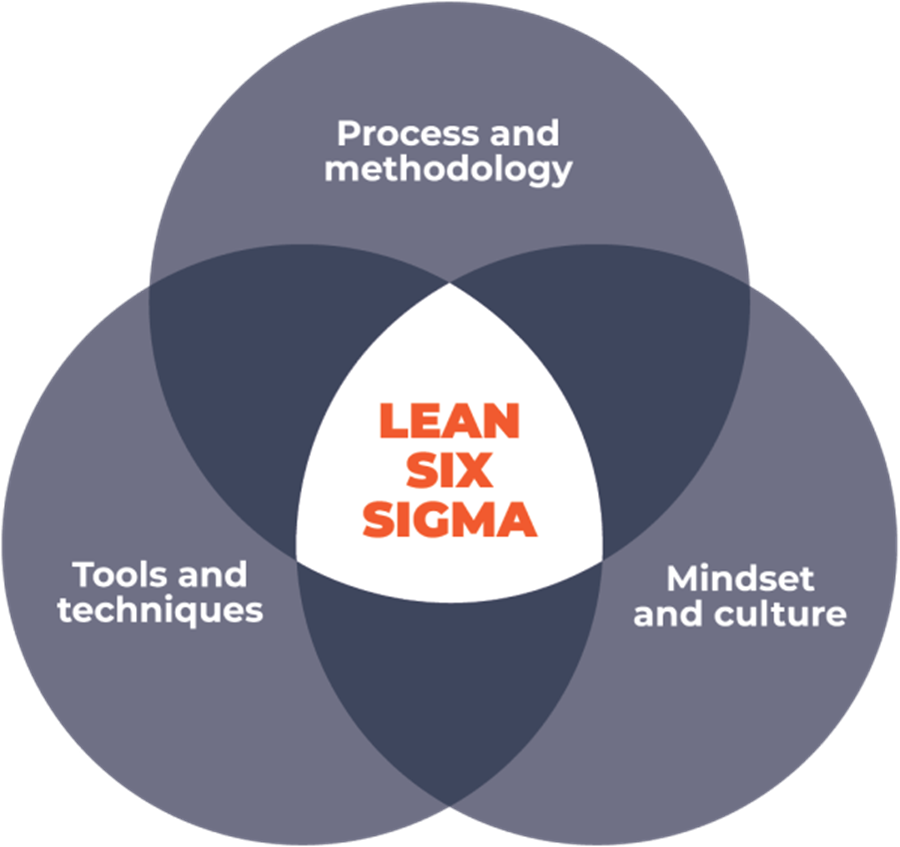
Deploying Lean Six Sigma across an organization is not simply a matter of training employees or launching isolated improvement projects. True deployment requires a deliberate, structured approach that aligns strategy, people, processes, and performance. When executed effectively, Lean Six Sigma becomes embedded in the organization’s culture, driving continuous improvement at every level. This transformation becomes even more impactful when paired with a system like CertificationPoint’s work experience builders and talent management platform, which connects process improvement efforts directly to workforce development and measurable outcomes.
At its foundation, Lean Six Sigma deployment is about creating a sustainable system for identifying inefficiencies, reducing variation, and delivering consistent value to customers. Organizations often begin with good intentions—sending employees to training, certifying belts, and initiating projects—but struggle to maintain momentum. The gap between knowledge and execution is where many deployments falter. Bridging that gap requires a clear deployment strategy, leadership commitment, and tools that support both execution and accountability.
A successful Lean Six Sigma deployment typically starts with strategic alignment. Leaders must define how process improvement supports the organization’s broader objectives. Whether the goal is reducing operational costs, improving customer satisfaction, or increasing throughput, Lean Six Sigma initiatives should be directly tied to these outcomes. Without this alignment, projects risk becoming disconnected efforts that fail to deliver meaningful impact.
CertificationPoint’s platform naturally reinforces this alignment by enabling organizations to map improvement projects to strategic goals. Through its work experience builders, employees can define project objectives in a structured way, ensuring that each initiative contributes to measurable business outcomes. This creates a clear line of sight between individual contributions and organizational success.
Once strategic alignment is established, the next step in deployment is building the right structure. Lean Six Sigma relies on a hierarchy of roles—Champions, Black Belts, Green Belts, and Yellow Belts—each with specific responsibilities. Champions provide leadership and remove barriers, Black Belts lead complex projects, and Green Belts support implementation while balancing their regular duties. This structure ensures that improvement efforts are both guided and executed effectively.
However, defining roles is not enough. Organizations must also ensure that individuals in these roles are actively engaged in meaningful work. CertificationPoint addresses this by providing a framework for documenting and validating real-world experience. Instead of simply holding a title, employees demonstrate their capabilities through recorded project work, creating accountability and transparency.
Training is another critical component of Lean Six Sigma deployment. Traditional training programs often focus heavily on theory, leaving participants unsure how to apply what they have learned. Effective deployment requires a balance between education and application. Employees should be introduced to concepts such as DMAIC (Define, Measure, Analyze, Improve, Control) and Lean principles, but they must also have opportunities to apply these concepts in real projects.
This is where CertificationPoint’s work experience builders play a transformative role. They provide a structured environment for applying Lean Six Sigma methodologies in practical settings. As employees work through each phase of DMAIC, they document their actions, decisions, and results. This not only reinforces learning but also creates a comprehensive record of experience that can be used for certification and career development.
Project selection is another key factor in successful deployment. Organizations must carefully choose projects that are both impactful and achievable. Early successes are particularly important, as they build confidence and demonstrate the value of Lean Six Sigma. Projects should address real business challenges, with clearly defined metrics and measurable outcomes.
CertificationPoint enhances project selection and execution by enabling organizations to track and evaluate projects within a centralized platform. Managers can monitor progress, assess impact, and ensure that resources are allocated effectively. This visibility helps maintain focus and prevents projects from losing momentum.
As projects are executed, data becomes the driving force behind decision-making. Lean Six Sigma emphasizes the importance of accurate, reliable data for assessing performance and identifying root causes. During deployment, organizations must establish systems for data collection, analysis, and reporting. Without these systems, improvement efforts can become subjective and inconsistent.
By integrating data tracking into its platform, CertificationPoint ensures that performance metrics are captured and linked to specific projects and individuals. This creates a data-rich environment where decisions are based on evidence rather than assumptions. It also allows organizations to measure the effectiveness of their Lean Six Sigma deployment in real time.
One of the most challenging aspects of deployment is sustaining improvements over time. Many organizations achieve initial success but struggle to maintain it. This often occurs because improvements are not fully integrated into daily operations. The Control phase of DMAIC is designed to address this, emphasizing standardization, monitoring, and continuous oversight.
CertificationPoint supports sustainability by embedding control mechanisms into its talent management framework. Performance data, project outcomes, and work experience records are continuously updated, providing ongoing visibility into process performance. This ensures that improvements are not only implemented but also maintained and refined.
Another critical element of Lean Six Sigma deployment is cultural transformation. For Lean Six Sigma to succeed, it must become part of the organization’s mindset. Employees at all levels should be encouraged to identify opportunities for improvement and take ownership of solutions. This requires a shift from reactive problem-solving to proactive, continuous improvement.
CertificationPoint facilitates this cultural shift by making improvement activities visible and rewarding. Employees can see how their contributions are documented and recognized, creating a sense of ownership and motivation. The platform also encourages collaboration, enabling teams to work together on projects and share insights.
Collaboration is particularly important in Lean Six Sigma deployment, as many processes span multiple departments. Cross-functional teams bring diverse perspectives and expertise, leading to more comprehensive solutions. CertificationPoint’s platform supports this by providing shared workspaces where team members can document progress, communicate, and track results.
From a leadership perspective, deploying Lean Six Sigma requires ongoing commitment and engagement. Leaders must not only support initiatives but also actively participate in them. They should review project progress, provide guidance, and ensure that resources are available. Leadership involvement signals the importance of Lean Six Sigma and reinforces its role in the organization.
CertificationPoint enhances leadership visibility by providing dashboards and reporting tools that highlight key metrics and project outcomes. Leaders can quickly assess the status of deployment efforts, identify areas for improvement, and make informed decisions. This level of insight is essential for maintaining momentum and achieving long-term success.
The integration of Lean Six Sigma with a talent management platform also addresses a common challenge: connecting process improvement with employee development. In many organizations, these areas are managed separately, leading to missed opportunities. By combining them, organizations can create a unified system where employees develop skills while contributing to business objectives.
CertificationPoint’s work experience builders enable this integration by capturing detailed records of project involvement. Employees can demonstrate their ability to define problems, analyze data, implement solutions, and sustain improvements. These records serve as evidence of competence, supporting certification and career advancement.
For organizations, this creates a powerful feedback loop. As employees develop their skills, they contribute to more effective process improvement initiatives. In turn, these initiatives drive better performance, creating additional opportunities for development. This cycle of improvement and growth is at the heart of successful Lean Six Sigma deployment.
Scalability is another important consideration. As organizations expand their Lean Six Sigma efforts, they must ensure that their approach remains consistent and effective. Standardized methodologies, templates, and tools are essential for maintaining quality across projects and teams.
CertificationPoint supports scalability by providing a consistent framework for documenting and managing projects. Templates for DMAIC phases, standardized metrics, and structured work experience records ensure that all initiatives follow best practices. This consistency enables organizations to scale their deployment without compromising quality.
For individuals, participating in a Lean Six Sigma deployment offers significant professional benefits. They gain hands-on experience with process improvement methodologies, develop analytical and problem-solving skills, and build a portfolio of documented achievements. CertificationPoint amplifies these benefits by providing a platform for showcasing this experience in a structured and credible way.
Getting started with Lean Six Sigma deployment does not require a perfect plan. Organizations can begin with a pilot program, focusing on a small number of projects and gradually expanding their efforts. The key is to establish a strong foundation, with clear objectives, defined roles, and supportive tools.
CertificationPoint’s platform makes this process more manageable by providing structure and guidance from the outset. Organizations can define projects, assign roles, track progress, and document outcomes within a single system. This reduces complexity and increases the likelihood of success.
In conclusion, deploying Lean Six Sigma is a multifaceted effort that requires alignment, structure, training, and cultural change. When done effectively, it creates a system for continuous improvement that drives both operational excellence and employee development. By integrating Lean Six Sigma with CertificationPoint’s work experience builders and talent management platform, organizations can bridge the gap between theory and practice.
This integration transforms Lean Six Sigma from a collection of tools into a dynamic, organization-wide capability. It ensures that improvement efforts are aligned with strategic goals, supported by data, and sustained over time. At the same time, it empowers employees to develop valuable skills and demonstrate their contributions.
Ultimately, the combination of Lean Six Sigma and CertificationPoint creates a powerful ecosystem—one where processes improve, people grow, and organizations achieve lasting success through continuous, measurable progress.

The story of Robert L. Johnson is one of vision, timing, and disciplined execution. As the founder of Black Entertainment Television (BET), Johnson transformed a bold idea into a media empire that reshaped representation in American television. His journey from a modest upbringing to becoming the first African American billionaire illustrates not only entrepreneurial brilliance but also a keen understanding of markets, capital, and cultural influence. The eventual sale of BET was not a retreat from success, but rather the culmination of a carefully constructed growth strategy that aligned with broader industry shifts.
Early Life and Formation of Ambition
Born in 1946 in Hickory, Mississippi, and raised in Freeport, Illinois, Johnson grew up in a household that emphasized education and perseverance. His parents instilled in him a belief that achievement required both preparation and boldness. He earned a bachelor’s degree from the University of Illinois and later a master’s degree in public affairs from Princeton University. These academic experiences sharpened his understanding of policy, economics, and institutional power.
Johnson’s early career included positions in government and corporate affairs, including a role at the National Cable Television Association. This exposure to the emerging cable industry proved pivotal. During the 1970s, cable television was expanding rapidly, yet programming aimed specifically at Black audiences was virtually nonexistent. Johnson recognized a powerful gap in the market: African American viewers were underserved, despite being loyal consumers of television and music.
Identifying the Opportunity
The late 1970s and early 1980s marked a period of transformation in television. Cable networks such as MTV were demonstrating that niche programming could attract devoted audiences and generate strong advertising revenue. Johnson saw that if music videos and youth culture could sustain a network, so could content celebrating Black culture, music, news, and public affairs.
In 1980, with a $15,000 loan and additional investment support that included backing from media executive John Malone’s company Liberty Media, Johnson launched BET as a two-hour weekly programming block. The early years were lean and uncertain. Distribution agreements had to be negotiated market by market. Advertising revenue was limited. Yet Johnson remained focused on growth through persistence and incremental expansion.
By concentrating initially on music programming and culturally relevant content, BET built a loyal audience. Johnson understood that advertisers follow viewership. As ratings increased, so did the willingness of companies to invest in advertising time. This disciplined, step-by-step scaling distinguished Johnson’s approach from entrepreneurs who expanded too quickly without securing sustainable revenue.
Building a Cultural Institution
Throughout the 1980s and early 1990s, BET grew from a programming block into a full-fledged cable network. Johnson and his team expanded content to include talk shows, news, gospel programming, and public affairs discussions. The creation of the BET Awards further strengthened the network’s cultural influence, positioning it as both a broadcaster and a tastemaker within the entertainment industry.
Importantly, Johnson did not merely build a channel; he built an institution that reflected the diversity and aspirations of Black America. The network provided a platform for artists, journalists, and entertainers who were often overlooked by mainstream media. In doing so, BET became more than a business—it became a symbol of representation and ownership.
Johnson’s leadership style blended pragmatism with ambition. He prioritized distribution deals with major cable providers, ensuring that BET reached millions of households. He understood that scale was essential to negotiating power. The broader cable landscape, populated by brands such as Nickelodeon and premium networks like HBO, demonstrated that distinct identities could thrive under the cable model. Johnson positioned BET within that ecosystem while maintaining a clear cultural focus.
Financial Growth and Strategic Expansion
In 1991, BET Holdings became the first Black-controlled company listed on the New York Stock Exchange. This milestone was not only symbolic but also strategic. Going public provided access to capital that fueled further expansion into film production, publishing, and event programming.
Johnson recognized that capital markets could accelerate growth. By offering public shares, he diversified ownership while retaining strategic control. This move also signaled to Wall Street that minority-focused enterprises could be profitable at scale. BET’s increasing revenues and expanding subscriber base made it an attractive asset in the consolidating media industry of the 1990s.
During this era, media conglomerates were aggressively acquiring niche networks to broaden their portfolios.
Johnson understood that consolidation was reshaping the industry. Rather than resisting this trend, he evaluated how BET might benefit from alignment with a larger corporate partner capable of providing additional resources, distribution leverage, and global reach.
The Sale to Viacom
In 2000, Johnson agreed to sell BET to Viacom in a deal valued at approximately $3 billion. The transaction made Johnson the first African American billionaire and marked a turning point in Black media ownership.
The decision to sell was influenced by several factors. First, the media environment was becoming increasingly competitive and capital-intensive. Digital technology, international expansion, and cross-platform branding required resources that were more readily available within a large conglomerate. By joining Viacom, BET gained access to a vast distribution network and corporate infrastructure.
Second, Johnson recognized that timing is critical in business. BET’s valuation was strong, and the market favored consolidation. Selling at a peak valuation ensured maximum shareholder return. As a publicly traded company, Johnson had fiduciary responsibilities to investors. The Viacom deal delivered substantial value to shareholders, including himself.
Third, the acquisition positioned BET within a broader portfolio that included major entertainment properties. This alignment promised cross-promotional opportunities and increased advertising leverage. While some critics expressed concern about the loss of Black ownership, Johnson maintained that integration with a global media powerhouse would strengthen BET’s long-term viability.
Leadership, Criticism, and Legacy
After the sale, Johnson remained involved during a transition period before stepping down. His former wife, Sheila Johnson, who had played a significant role in BET’s early development, also became widely recognized for her contributions to the company’s success.
Johnson’s journey was not without criticism. Some observers questioned programming decisions or the implications of selling to a predominantly white-owned conglomerate. Others debated whether BET had fully fulfilled its cultural mission. Yet even critics acknowledged the historic scale of Johnson’s accomplishment.
He demonstrated that African American entrepreneurs could build and control major national enterprises. His success opened doors for future media founders and investors. Beyond BET, Johnson expanded into other ventures, including hospitality, sports ownership, and private equity, reinforcing his status as a diversified business leader.
What Ultimately Led to the Sale
At its core, Johnson’s decision to sell BET reflected strategic realism. The media industry rewards scale, synergy, and capital depth. As competition intensified and technological change accelerated, remaining independent would have required enormous ongoing investment. Selling to Viacom provided liquidity, security, and a platform for further influence.
Additionally, Johnson had achieved his foundational goal: building a profitable, nationally recognized media company centered on Black culture. The sale validated that achievement in financial terms. Rather than diminishing his legacy, the transaction underscored the value he had created.
Entrepreneurs often face a defining question: Is the goal to own indefinitely, or to build and realize value at the right moment? Johnson chose the latter. By exiting at a strategic peak, he transformed decades of effort into generational wealth while embedding BET within a structure capable of sustaining it in a rapidly evolving marketplace.
Conclusion
Robert L. Johnson’s path to success was shaped by vision, preparation, and a willingness to seize opportunity within emerging industries. From identifying an underserved audience to navigating public markets and negotiating a multibillion-dollar acquisition, he exemplified disciplined entrepreneurship. The growth of BET mirrored the broader maturation of cable television and the increasing recognition of diverse audiences as powerful economic forces.
Ultimately, Johnson’s sale of BET was not an abandonment of purpose but the final chapter in a carefully managed growth strategy. His story stands as a testament to the power of strategic timing, cultural insight, and bold execution in building enterprises that change both markets and history.