How The World Benefits From People Who Fully Embrace Their Capabilities And Use Them Boldly
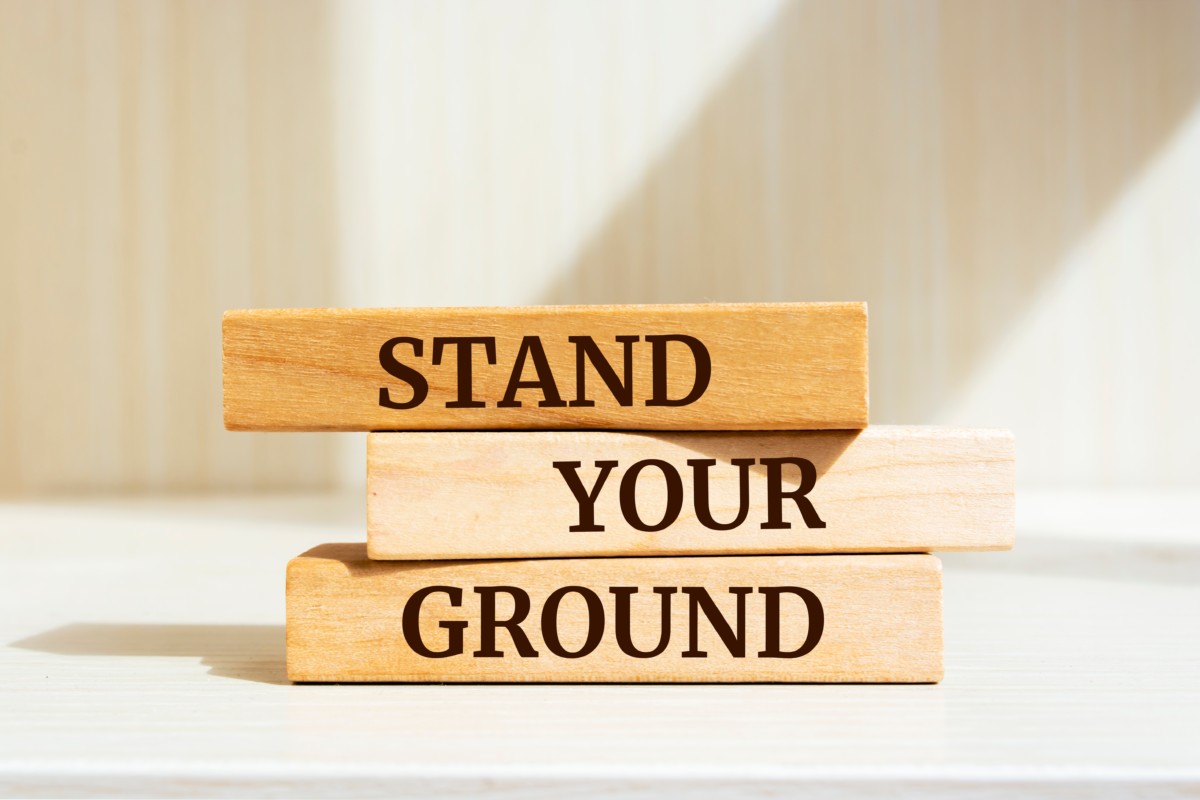
Standing your ground in difficult situations is one of the most challenging yet defining acts a person can undertake. It requires clarity, self-awareness, courage, and a deep understanding of your own worth. Too often, people are subtly or directly conditioned to believe their role is to support others at the expense of themselves—to bend, shrink, or step aside so someone else can rise. This expectation may not always be spoken aloud, but it is frequently felt, embedded in social dynamics, cultural narratives, and interpersonal relationships. Over time, if left unexamined, it can shape identity in ways that limit growth, suppress individuality, and obscure purpose.
At its core, standing your ground is not about arrogance or defiance for its own sake. It is about alignment—refusing to compromise your values, your voice, and your potential simply to make others comfortable. It is about recognizing when support becomes self-erasure. There is nothing wrong with uplifting others; in fact, community and collaboration are essential to human progress. But there is a profound difference between lifting others while standing tall and being expected to kneel so others can step on your back.
Many people find themselves in environments where they are subtly positioned as the “foundation” for others’ success. This can happen in workplaces, social groups, families, and broader societal structures. Sometimes it appears as being overlooked for leadership while consistently being relied upon for support roles. Other times, it manifests as being the person who is expected to carry emotional labor, solve problems quietly, or make sacrifices without recognition. Over time, these patterns can become internalized, leading individuals to unconsciously accept positions that diminish their own growth.
The danger in this dynamic is not just external—it becomes internal. When a person repeatedly bends to accommodate others, they may begin to believe that this is their role, their place, or even their purpose. They may hesitate to assert themselves, fearing backlash, rejection, or conflict. They may downplay their ambitions, silence their ideas, or avoid opportunities that would require them to step into visibility and authority. In this way, the expectation to “be the support” transforms into a self-imposed limitation.
This issue takes on additional layers when viewed through the lens of race and cultural perception, particularly regarding Black Americans. Historically, Black Americans have been placed in roles of service, labor, and support within societal structures. While progress has been made, remnants of these narratives persist in subtle and overt ways. In some contexts, there is still an unspoken expectation that Black individuals should contribute to the advancement of others without necessarily occupying positions of power themselves.
This perception is not only external. It can sometimes surface within interactions between Black Americans and other ethnic groups, where assumptions—conscious or unconscious—shape how roles are assigned, voices are valued, and leadership is recognized. In certain environments, Black Americans may feel pressure to prove themselves repeatedly, while others are more readily seen as leaders or innovators. This dynamic can create a tension between contribution and recognition, between effort and opportunity.
Even within the broader Black community, these dynamics can become complex. When Black Americans connect with other Black individuals from different cultural backgrounds, there can sometimes be differences in expectations, perspectives, and experiences. These differences are natural, given the diversity within the global Black diaspora. However, they can also lead to moments where Black Americans feel misunderstood or placed into roles that do not fully honor their individuality and potential.
It is important to approach this topic with nuance and care. The goal is not to create division but to foster awareness. Recognizing patterns—whether societal, cultural, or interpersonal—is a necessary step toward change. When individuals understand the forces that shape expectations, they are better equipped to challenge them and redefine their own paths.
Standing your ground in this context means refusing to accept limiting narratives about your role or your place. It means asserting your right to lead, to innovate, to create, and to define your own identity. It means recognizing that your value is not confined to how well you support others but includes your capacity to stand at the forefront of your own life.
This does not mean rejecting collaboration or community. On the contrary, true collaboration requires mutual respect and reciprocity. It requires environments where everyone has the opportunity to contribute and to lead, where support flows in multiple directions rather than being extracted from a single source. Standing your ground is about ensuring that your participation in any relationship or system is balanced and affirming, not diminishing.
Another critical aspect of this conversation is the recognition of inherent genius. Every individual possesses unique gifts, talents, and perspectives. These qualities may manifest in different ways—through creativity, analytical thinking, emotional intelligence, leadership, or innovation. Too often, however, these gifts are suppressed by external expectations or internalized doubts.
When a person is consistently placed in a supportive role, their genius may go unrecognized—not only by others but by themselves. They may become so focused on helping others succeed that they neglect their own development. They may underestimate their abilities, assuming that their contributions are less significant or less worthy of attention. Over time, this can lead to a diminished sense of self and a reluctance to pursue opportunities that would allow their genius to flourish.
Protecting your genius requires intentionality. It requires you to recognize your own value, even when others do not. It requires you to create space for your ideas, your growth, and your aspirations. This may involve setting boundaries, speaking up, or stepping away from environments that do not support your development. It may also involve seeking out communities and mentors who recognize and nurture your potential.
Faith can play a powerful role in this process. The belief that each person is created with purpose and capability can serve as a foundation for self-worth and resilience. If you believe that you are endowed with unique gifts, then it follows that you have a responsibility to use and protect them. Allowing those gifts to be suppressed or diminished is not only a loss for you but for the world as well.
Standing your ground, then, becomes an act of stewardship. It is a way of honoring what has been placed within you. It is a commitment to growth, to authenticity, and to purpose. It is a refusal to allow external expectations to dictate the limits of your potential.
This does not mean the journey will be easy. Standing your ground often comes with resistance. People who are accustomed to you playing a certain role may react when you begin to assert yourself. They may question your choices, challenge your confidence, or attempt to pull you back into familiar patterns. These reactions can be uncomfortable, but they are often a sign that change is taking place.
In these moments, it is important to remain grounded in your sense of self. Reflect on your values, your goals, and your purpose. Remind yourself why you are making these changes and what you stand to gain by doing so. Surround yourself with individuals who support your growth and respect your boundaries. Seek out environments that encourage you to step into your full potential rather than shrink away from it.
It is also important to extend this mindset to how you interact with others. Just as you do not want to be confined to a limiting role, you should be mindful not to impose such roles on others. Encourage those around you to explore their own potential, to stand in their own strength, and to pursue their own purpose. In doing so, you contribute to a culture of empowerment rather than limitation.
Ultimately, standing your ground is about balance. It is about knowing when to support and when to step forward, when to collaborate and when to lead. It is about recognizing that your worth is not determined by how much you give up for others but by how fully you live out your own potential.
For Black Americans navigating the complexities of societal expectations, cultural dynamics, and personal aspirations, this balance is particularly significant. It requires both awareness and intention. It requires a willingness to challenge narratives, to assert identity, and to claim space in environments that may not always offer it freely.
But this journey is not limited to any one group. The message is universal: do not allow yourself to be reduced to a role that diminishes your potential. Do not accept a version of yourself that is smaller than what you are capable of becoming. Recognize the genius within you, nurture it, and protect it.
You are not here merely to support the rise of others while remaining unseen. You are here to rise as well—to contribute, to lead, to create, and to leave your own mark. Standing your ground is how you ensure that this happens. It is how you honor your purpose, protect your gifts, and live in alignment with who you are meant to be.
In the end, the world does not benefit from individuals who shrink themselves to fit expectations. It benefits from people who fully embrace their capabilities and use them boldly. When you stand your ground, you do more than assert your own worth—you create space for others to do the same.
 6768
6768