Waymo Pulls Its Driverless Cars Off Highways Nationwide Following Safety Concerns
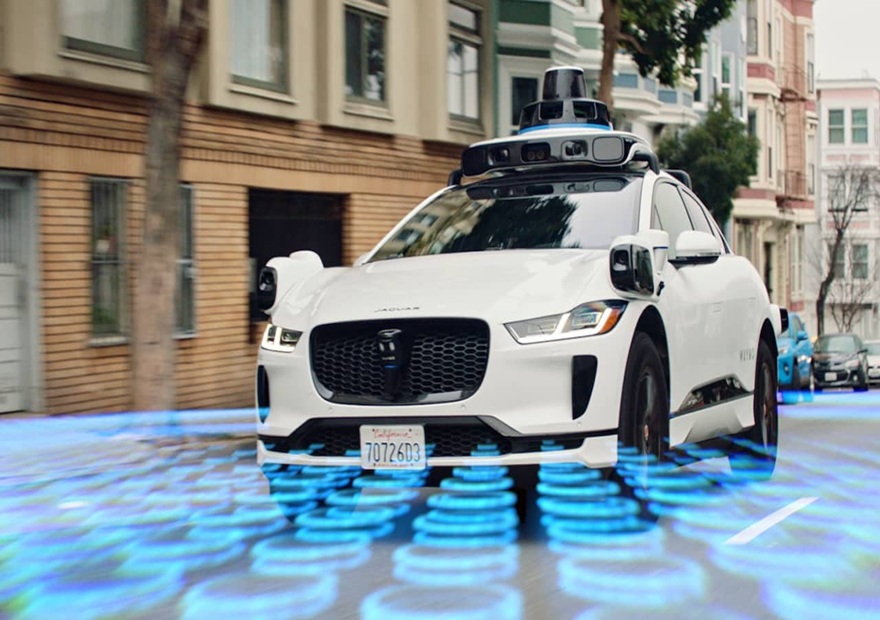
Waymo, the autonomous ride-hailing company owned by Alphabet, has temporarily pulled its driverless vehicles off highways across the United States following a series of safety concerns and a regulatory crackdown in California. The decision marks a significant setback for the company as it continues working to make self-driving transportation a mainstream alternative to traditional ride-hailing services.
The move follows an order from the California Department of Motor Vehicles (DMV) prohibiting Waymo's driverless vehicles from operating on state freeways. Regulators cited repeated incidents involving Waymo vehicles entering active highway construction zones and failing to respond appropriately to law enforcement activity.
In response, Waymo announced that it would temporarily suspend commercial freeway rides in every market where the service is available, extending the restriction beyond California.
What Happened?
The latest controversy centers on several incidents involving Waymo's autonomous vehicles in Northern California.
According to California regulators, three Waymo vehicles entered an active construction zone on U.S. Highway 101 near Burlingame on November 5. Construction zones present particularly difficult challenges for autonomous vehicles because traffic patterns, lane markings, barriers, and road configurations can change unexpectedly.
Another incident occurred the following day on Interstate 280 in the San Francisco Bay Area. Video circulating on social media showed a Waymo vehicle attempting to move around California Highway Patrol vehicles that were conducting a traffic break.
These incidents raised concerns about whether Waymo's self-driving technology could consistently recognize and respond to temporary traffic restrictions, emergency vehicles, and potentially dangerous roadway conditions.
The California DMV determined that the company's driverless freeway operations posed an imminent public-safety hazard. The agency's restrictions will remain in effect until Waymo demonstrates that it has implemented effective corrective measures.
Waymo Suspends Highway Rides Nationwide
Although California's regulatory action specifically applies to freeways within the state, Waymo decided to temporarily restrict commercial freeway operations across its other markets as well.
The suspension affects markets where Waymo previously offered highway rides, including:
• San Francisco Bay Area
• Los Angeles
• Phoenix
• Miami
• Austin
Waymo has emphasized that its regular ride-hailing operations on surface streets will continue.
The company also indicated that it is continuing freeway testing with trained autonomous specialists behind the wheel. However, passengers will not be able to book commercial driverless rides on those highways while the restrictions remain in place.
Waymo says it is working with California officials and other regulators to address the identified problems and eventually restore freeway service.
This Isn't the First Time Waymo Has Faced Highway Safety Concerns
The latest decision is particularly significant because Waymo already experienced similar problems earlier in 2026.
In April and May, several of its autonomous vehicles entered highway construction areas in Phoenix and the San Francisco Bay Area. Those incidents prompted the company to temporarily restrict freeway operations while investigating the behavior of its self-driving system.
In June, Waymo filed a voluntary safety recall involving nearly 3,900 vehicles equipped with its fifth-generation automated driving system. The recall focused on improving how the vehicles recognize and respond to freeway construction zones.
After implementing software improvements, Waymo resumed freeway rides in July.
However, the November incidents suggest that the improvements may not have fully addressed the underlying challenges.
The recurring problems raise important questions about how autonomous vehicles interpret unpredictable road conditions and whether software updates alone can adequately address every situation encountered on public highways.
Why Highway Driving Is So Important for Waymo
Highway access represents an important part of Waymo's long-term business strategy.
One of the biggest advantages of autonomous ride-hailing is the potential to transport passengers efficiently across large metropolitan areas. Highways make it possible to connect distant neighborhoods, airports, business districts, and suburban communities without relying exclusively on slower city streets.
Without freeway access, some Waymo trips could take considerably longer.
For example, a journey between San Francisco and communities farther south in Silicon Valley can become significantly more time-consuming when vehicles must rely on surface streets.
Longer travel times could affect customer satisfaction, vehicle utilization, and the company's ability to compete with traditional ride-hailing services.
The suspension also creates another challenge for Waymo as it expands into additional cities and works to establish public confidence in autonomous transportation.
What Does This Mean for the Future of Self-Driving Cars?
Waymo's highway suspension highlights an important reality about autonomous vehicle technology: successfully navigating ordinary traffic is not necessarily the same as safely handling every unexpected situation.
Self-driving vehicles must interpret road signs, recognize construction barriers, respond to emergency personnel, identify unusual traffic patterns, and make decisions in constantly changing environments.
Highways introduce additional risks because vehicles travel at higher speeds, leaving less room for mistakes.
While autonomous technology continues to advance, incidents like these demonstrate why regulators are demanding evidence that driverless vehicles can handle difficult roadway situations before allowing them to operate without human supervision.
There are also broader implications for the autonomous vehicle industry. Competitors developing self-driving transportation systems will likely face increased scrutiny as regulators evaluate how these technologies respond to construction zones, emergency vehicles, and other unpredictable conditions.
The Bottom Line
Waymo's decision to temporarily remove its driverless vehicles from highways nationwide is a reminder that the development of autonomous transportation is still an evolving process.
The company has made significant progress in expanding its robotaxi operations, but repeated construction-zone incidents have created new questions about the reliability of its technology in certain driving environments.
For now, Waymo passengers can continue using the service on surface streets, but highway rides remain suspended while the company works to address regulators' concerns.
Ultimately, the return of driverless cars to America's highways will depend on whether Waymo can demonstrate that its vehicles are capable of recognizing hazards, responding appropriately to changing road conditions, and operating safely alongside human drivers.
The future of autonomous transportation may still be promising, but the latest developments demonstrate that public safety and proven reliability must remain central to its expansion.
 181047