Navigating the Intersection of Race and Gender in the Information Technology Sector
The information technology (IT) sector is often described as a meritocratic space—one where skill, innovation, and productivity determine success.
Yet, beneath this narrative lies a more complex reality shaped by the intersection of race and gender. These overlapping identities influence access to opportunities, career progression, workplace experiences, and long-term outcomes in ways that are often subtle but deeply impactful.
This case study examines how race and gender intersect in IT environments, how these dynamics influence professional advancement across groups, and, critically, how individuals can navigate these challenges without needing to relocate to more “favorable” or traditionally progressive regions. Instead of framing success as contingent on escaping difficult environments, this analysis focuses on strategies for thriving within them—leveraging awareness, networks, and tactical decision-making.
Understanding Intersectionality in IT
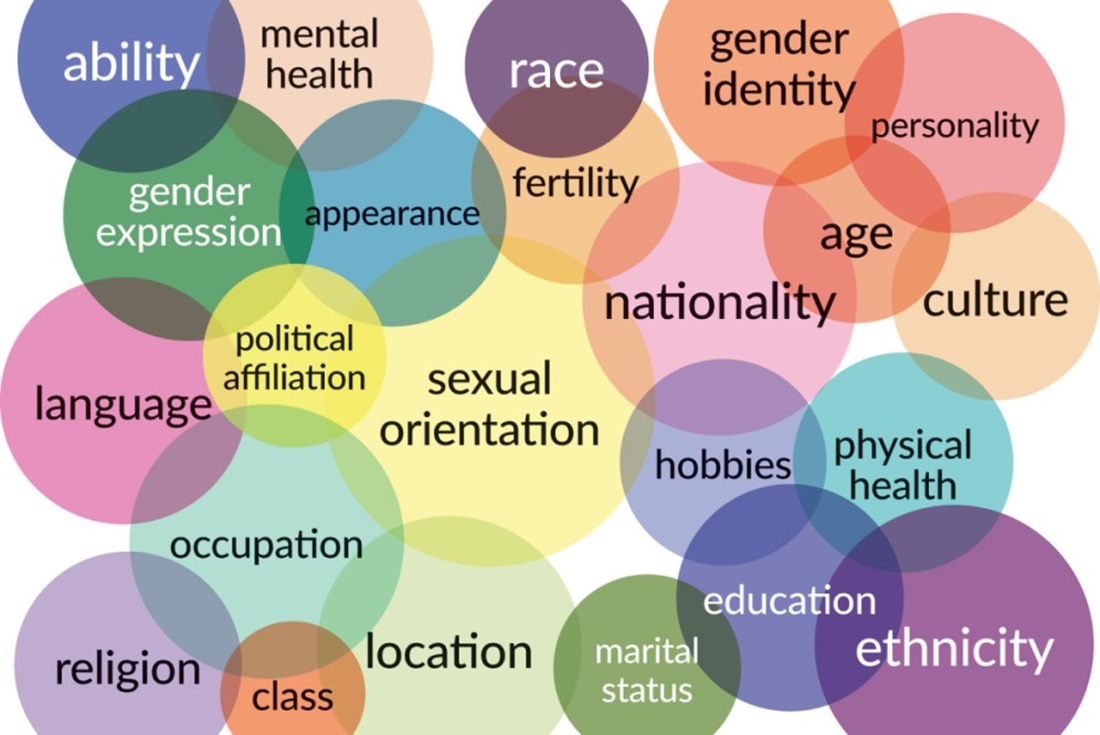
Intersectionality refers to how different aspects of a person’s identity—such as race, gender, and class—combine to create unique experiences of advantage or disadvantage. In IT, this means that the challenges faced by a Black woman, for example, are not simply the sum of racism and sexism but a distinct experience shaped by both simultaneously.
While white men have historically dominated the field, the experiences of other groups vary:
• White women may encounter gender bias but still benefit from racial alignment with leadership.
• Men of color may face racial stereotyping while benefiting from gender-based assumptions of technical competence.
• Women of color often encounter compounded bias that affects both perception and opportunity.
These dynamics influence everything from hiring decisions to performance evaluations and leadership opportunities.
Case Profile: A Mid-Level IT Professional
Consider a composite case: “Danielle,” a mid-level software engineer working in a mid-sized city with a growing but not fully mature tech ecosystem. She is highly skilled, has consistently strong performance reviews, and contributes meaningfully to her team. Despite this, she notices patterns:
• She is often assigned supportive or maintenance tasks rather than high-visibility projects.
• Her ideas are sometimes overlooked in meetings, only to be acknowledged when repeated by others.
• Leadership opportunities are informally offered to colleagues who are less experienced but more socially aligned with management.
Danielle’s experience reflects a broader pattern where competence alone does not guarantee progression. Instead, visibility, perception, and informal networks play a significant role.
Structural Barriers to Progression
1. Informal Networks and Gatekeeping
In many IT workplaces, advancement is influenced by relationships formed outside formal structures—mentorships, social connections, and informal sponsorship. These networks often form along lines of similarity, meaning individuals may gravitate toward those who share their background or experiences.
For underrepresented groups, this can result in limited access to:
• Insider knowledge about opportunities
• Advocacy in decision-making spaces
• Early inclusion in high-impact projects
2. Stereotype-Based Role Assignment
Race and gender can shape assumptions about an individual’s strengths and “fit.” For example:
• Women may be steered toward coordination or documentation roles.
• Men of color may be perceived as technically capable but not leadership-oriented.
• Women of color may be underestimated across both dimensions.
These assumptions influence not only daily responsibilities but also long-term career trajectories.
3. Evaluation Bias
Performance evaluations in IT are often subjective, especially at higher levels where impact is harder to quantify. Bias can manifest in:
• Different standards for similar work
• Attribution of success to teamwork versus individual contribution
• Greater scrutiny of mistakes
Over time, these patterns can compound, affecting promotions and compensation.
The Role of Environment Without Relocation
A common narrative suggests that individuals facing these challenges should seek opportunities in more diverse or progressive locations. While relocation can be beneficial for some, it is not always feasible or desirable.
Moreover, it reinforces the idea that success depends on escaping rather than transforming or navigating existing environments.
Instead, professionals can adopt strategies that allow them to succeed within their current context.
Strategic Navigation: Practical Approaches
1. Building Strategic Visibility
Visibility is not simply about being seen—it is about being seen in the right contexts. This includes:
• Volunteering for high-impact projects
• Documenting and communicating achievements clearly
• Presenting work in forums where decision-makers are present
For Danielle, this might mean proactively requesting involvement in projects tied to business outcomes rather than internal maintenance.
2. Leveraging Documentation as Power
In environments where bias may influence perception, documentation becomes a critical tool. Keeping detailed records of:
• Contributions to projects
• Positive feedback from stakeholders
• Measurable outcomes
This creates an evidence-based narrative that is harder to dismiss or reinterpret.
3. Developing Multi-Level Networks
Rather than relying solely on peer relationships, successful navigation often involves building connections across levels:
• Peers for collaboration and support
• Managers for guidance and advocacy
• Senior leaders for visibility and sponsorship
Importantly, these networks do not need to be based on similarity. Strategic alignment around shared goals can be just as effective.
4. Reframing Communication
Communication styles can influence how competence and leadership potential are perceived. This does not mean abandoning authenticity but adapting strategically:
• Framing ideas in terms of business impact
• Speaking with clarity and confidence in group settings
• Following up on contributions to reinforce ownership
For example, if an idea is overlooked in a meeting, a follow-up message summarizing the proposal can reestablish authorship.
Managing Workplace Dynamics Without Withdrawal
One of the key challenges is navigating difficult dynamics without disengaging or removing oneself entirely. This requires a balance between resilience and strategic action.
1. Recognizing Patterns Without Internalizing Them
Understanding that certain behaviors are systemic rather than personal can help maintain confidence and focus. This awareness allows individuals to respond strategically rather than react emotionally.
2. Setting Boundaries
Clear boundaries around workload, responsibilities, and treatment are essential. This might involve:
• Declining tasks that do not align with career goals
• Addressing inappropriate behavior directly or through formal channels
• Ensuring equitable distribution of work within teams
3. Identifying Allies
Allies within the organization can play a crucial role in amplifying voices and challenging bias. These individuals may not share the same background but are willing to advocate for fairness and inclusion.
Entrepreneurial Thinking Within Employment
Even without leaving a traditional job, adopting an entrepreneurial mindset can shift how individuals navigate their careers:
• Viewing oneself as a “value provider” rather than just an employee
• Seeking opportunities to innovate within existing roles
• Building a personal brand based on expertise and reliability
This approach reduces dependence on any single gatekeeper and increases leverage within the organization.
Case Outcome: Danielle’s Progression
By applying these strategies, Danielle begins to shift her trajectory:
• She secures a role in a high-visibility project by directly expressing interest and aligning her skills with business needs.
• She documents her contributions and shares regular updates with stakeholders.
• She builds relationships with senior leaders through cross-functional initiatives.
Over time, her visibility increases, leading to recognition and eventual promotion. Importantly, this progression occurs within the same geographic and organizational context—demonstrating that navigation, not relocation, can be a viable path.
Broader Implications for Organizations
While individual strategies are important, organizational change is also necessary for long-term equity. Companies can:
• Standardize evaluation criteria to reduce subjectivity
• Create formal mentorship and sponsorship programs
• Ensure equitable distribution of high-impact opportunities
These changes not only benefit underrepresented groups but also improve overall organizational performance by maximizing talent utilization.
Conclusion
The intersection of race and gender in the IT sector creates complex challenges that influence career progression in ways that extend beyond skill and performance. These challenges are embedded in structures, perceptions, and informal dynamics that shape everyday experiences.
However, success does not require withdrawal or relocation. By understanding these dynamics and adopting strategic approaches—focused on visibility, documentation, networking, and communication—individuals can navigate barriers effectively within their existing environments.
At the same time, organizations must recognize their role in perpetuating or dismantling these dynamics. True progress lies in a combination of individual agency and systemic change.
Ultimately, the goal is not just to survive within these systems, but to operate within them in a way that preserves autonomy, builds influence, and creates pathways for sustained advancement—regardless of location.
 8900
8900