Power, Fear, and Surveillance: Examining Claims of Post–Civil Rights Era Intelligence Strategies
The assassinations of Martin Luther King Jr. in 1968 and Malcolm X in 1965 marked profound turning points in American history. Both men had emerged as powerful voices within the broader struggle for Black liberation, albeit through different philosophies and strategies. Their deaths created not only a leadership vacuum but also a heightened sense of urgency, anxiety, and speculation about how institutions of power would respond to the possibility of another influential Black leader rising to national prominence.
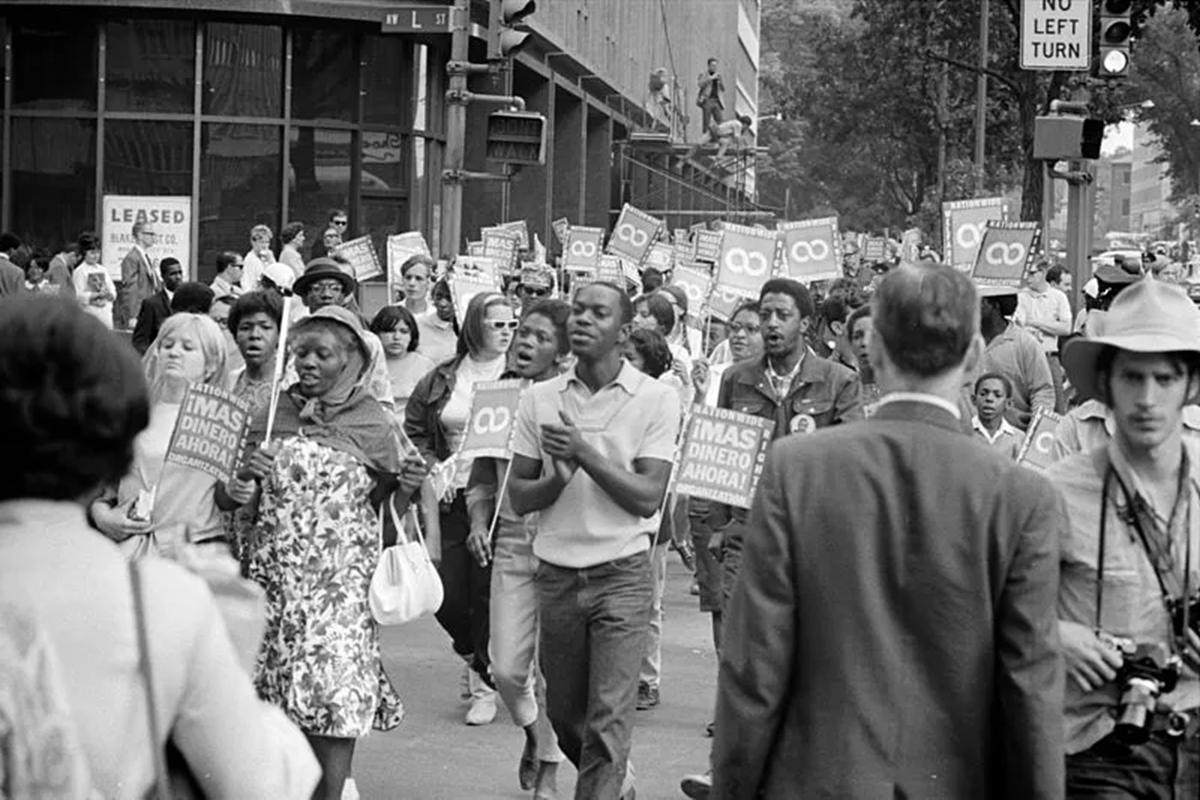
In the years that followed, declassified documents and historical investigations revealed that U.S. intelligence agencies—particularly the FBI through its Counterintelligence Program (COINTELPRO)—had actively surveilled, infiltrated, and attempted to disrupt Black political movements. Among the most widely discussed aspects of these operations was the stated concern about the emergence of what was referred to in internal memos as a “Black messiah”—a charismatic figure capable of unifying and mobilizing African Americans toward transformative political action.
This phrase has since fueled ongoing debates and interpretations. Some view it as evidence of a broad, systematic effort to suppress Black leadership at any cost. Others argue that while surveillance and disruption certainly occurred, interpretations of these efforts sometimes extend into more speculative territory. Regardless, examining these claims—especially those suggesting long-term, deeply embedded strategies—offers insight into the intersections of race, power, and state authority.
Historical Context: COINTELPRO and the “Black Messiah” Concern
COINTELPRO, initiated by the FBI under J. Edgar Hoover, targeted various groups deemed subversive, including civil rights organizations, Black nationalist movements, and anti-war activists. Documents later made public confirmed that organizations like the Southern Christian Leadership Conference (SCLC), the Nation of Islam, and the Black Panther Party were subject to extensive monitoring.
One internal FBI memo explicitly stated the goal of preventing the rise of a leader who could unify and electrify Black nationalist movements. Figures such as King, Malcolm X, and later Fred Hampton were seen through this lens. The concern was not merely ideological disagreement but the perceived potential for mass mobilization that could challenge existing political and social structures.
These documented efforts included surveillance, wiretapping, infiltration by informants, and psychological tactics aimed at sowing distrust within organizations. While controversial, these activities are historically verified and form the foundation for broader claims about more expansive strategies.
Expanding the Hypothesis: Monitoring Potential Leadership from Early Life
Some interpretations take these historical facts further, suggesting that preventing the rise of influential Black leaders would require a much more proactive and long-term approach. According to this line of thinking, identifying potential leaders at adulthood would be insufficient; instead, efforts would need to begin early in life—possibly even from childhood.
The logic behind this argument is rooted in leadership development. Influential figures rarely emerge spontaneously; their ideas, confidence, communication skills, and sense of purpose are cultivated over time through education, social interactions, and formative experiences. If an institution sought to prevent the emergence of such individuals, it would theoretically need to monitor these developmental stages.
This could include observing academic performance, leadership tendencies in school environments, social networks, and behavioral patterns. Particular attention might be given to individuals who demonstrate strong rhetorical ability, intellectual curiosity, resilience, and the capacity to influence peers—traits commonly associated with transformative leaders.
However, it is important to note that while educational and behavioral tracking systems do exist in various forms (such as standardized testing and disciplinary records), there is no verified evidence of a coordinated, government-led program specifically designed to identify and suppress future Black leaders from childhood. Such claims remain speculative and are often debated in academic and public discourse.
Social Mapping and Community Surveillance
Another dimension of this hypothesis involves the mapping of social interactions and community networks. During the COINTELPRO era, informants were embedded within organizations to report on activities, leadership dynamics, and internal conflicts. Extending this concept, some argue that similar strategies could theoretically be applied more broadly within communities.
This would involve tracking relationships—who associates with whom, who influences whom, and how ideas spread within social groups. In modern contexts, such mapping could be facilitated by digital data, social media activity, and communication technologies.
From a purely analytical standpoint, social network analysis is a legitimate tool used in many fields, including marketing, public health, and law enforcement. It allows organizations to understand patterns of influence and information flow. However, the application of such tools for the purpose of suppressing leadership within a specific racial group would raise profound ethical and legal concerns.
The Role of Disruption: Distractions and Divergence
A central claim in more expansive interpretations is the idea that individuals identified as having leadership potential might face targeted disruptions designed to divert them from their paths. These disruptions could take many forms, including economic hardship, legal troubles, or interpersonal conflicts.
The rationale is that leadership development requires focus, stability, and opportunity. Introducing instability—whether through external pressures or internal conflicts—could hinder an individual’s ability to pursue their goals or maintain a clear sense of purpose.
Historically, there is evidence that intelligence agencies attempted to create divisions within activist groups by spreading misinformation, encouraging rivalries, or amplifying existing tensions. In some cases, anonymous letters were sent to leaders in an effort to damage relationships or reputations.
Extending this concept to individuals rather than organizations, some suggest that similar tactics could theoretically be used to disrupt personal trajectories. However, such claims are far more difficult to substantiate and remain largely speculative.
Emotional Interference: The Idea of Engineered Heartbreak
One of the more controversial aspects of this broader hypothesis is the notion of intentionally introducing emotional distress—such as romantic heartbreak or betrayal—at critical points in a person’s life. The argument is that emotional trauma can significantly impact decision-making, self-confidence, and long-term aspirations.
Psychological research does support the idea that major emotional events can influence life trajectories. Experiences of loss, rejection, or betrayal can lead to shifts in priorities, changes in behavior, or periods of instability. However, the idea that such events could be systematically engineered by external actors on a large scale is highly contentious and lacks credible evidence.
While intelligence agencies have employed psychological tactics in certain contexts, the logistical complexity and ethical implications of orchestrating deeply personal experiences across large populations make such claims difficult to support with verifiable data.
Assessing Effectiveness: Realities vs. Speculation
When evaluating the effectiveness of any alleged long-term strategy to prevent the rise of influential leaders, it is essential to distinguish between documented actions and speculative extensions.
Documented efforts—such as surveillance, infiltration, and organizational disruption—did have tangible impacts. Some movements experienced internal conflicts, loss of trust, and diminished cohesion. In certain cases, leadership was undermined or neutralized.
However, despite these efforts, influential Black leaders have continued to emerge across various fields, including politics, academia, activism, and culture. This suggests that while disruption may have had localized effects, it did not fully achieve the broader goal of preventing leadership altogether.
Speculative claims about early-life monitoring, engineered distractions, and emotional manipulation are much harder to evaluate. Without concrete evidence, their effectiveness remains a matter of interpretation rather than established fact.
Advantages of Such Strategies
If one were to consider these strategies purely in theoretical terms, several potential advantages might be identified from the perspective of an institution seeking to maintain control:
1. Preemptive Intervention: Addressing potential challenges before they fully develop could reduce the need for more visible or controversial actions later.
2. Subtlety: Indirect methods may be less likely to attract public attention or provoke backlash.
3. Long-Term Influence: Shaping developmental pathways could have lasting effects on individuals and communities.
However, these “advantages” must be understood within an ethical framework that recognizes the profound implications of such actions.
Disadvantages and Ethical Implications
The potential disadvantages—and moral costs—of such strategies are significant:
1. Violation of Civil Liberties: Monitoring individuals based on race or perceived potential would constitute a serious infringement on personal freedoms.
2. Psychological Harm: Disruption and emotional interference could cause lasting damage to individuals and families.
3. Erosion of Trust: Widespread surveillance and manipulation would undermine trust in institutions and within communities.
4. Unintended Consequences: Efforts to suppress leadership could inadvertently strengthen resistance or create new forms of activism.
5. Moral and Legal Accountability: Such actions would likely violate both domestic laws and international human rights standards.
Broader Impact on Communities
Whether considering documented history or speculative extensions, the perception of targeted surveillance and suppression has had a lasting impact on African American communities. Awareness of COINTELPRO and similar programs has contributed to skepticism toward government institutions and heightened sensitivity to issues of privacy and civil rights.
At the same time, these experiences have also fostered resilience and adaptability. Communities have developed strategies to navigate challenges, build networks of support, and continue advocating for change.
Conclusion: Navigating History, Evidence, and Interpretation
The legacy of the civil rights era—and the government’s response to it—remains complex and deeply consequential. There is clear historical evidence that intelligence agencies actively sought to monitor and disrupt Black political movements, motivated in part by fears of unified leadership.
However, extending these facts into broader claims about lifelong monitoring, engineered life disruptions, and systematic emotional manipulation requires careful scrutiny. While such ideas may arise from legitimate concerns about power and control, they often move beyond what can be substantiated by available evidence.
Understanding this topic requires balancing acknowledgment of documented history with critical evaluation of more expansive interpretations. It also calls for continued vigilance in protecting civil liberties, ensuring transparency, and fostering an environment where leadership can emerge freely and authentically.
 9547
9547